The Apparel Digest Research Work Compilation

Bangladesh – the world’s largest apparel sourcing hub after China is once again standing at the edge of a geopolitical shockwave. This time, the crisis is not originating from local factory disaster like Rana Plaza or impacted by a global pandemic or recession but from a war that is not related to Bangladesh any way! The recent Middle East crisis – war on Iran has created a far more strategic and structural threat to Bangladesh’s Readymade Garment (RMG) industry — the backbone of the country’s economy.
Even if the war stops now, the impact would be felt for long.
The harsh reality looks simple but eventful deeply: Bangladesh’s garment industry runs on imported energy, imported raw materials, imported logistics systems, and foreign consumer demand. Every one of these pillars is now under pressure because of the Iran conflict and instability across the Middle East and beyond.
From Hormuz to Dhaka: Why the Crisis Matters
The Strait of Hormuz remains one of the most critical energy corridors in the world. Nearly one-fifth of global oil trade passes through this narrow maritime route. Any conflict involving that region immediately sends shockwaves through oil markets, shipping routes, insurance systems, and global trade flows.
Bangladesh garment industry may not directly trade with Iran in particular or the region in large, but it is deeply dependent on the economic ecosystem surrounding the Gulf region and certainly global economic system.
The impact begins with energy.
Bangladesh imports a major portion of its LNG, crude oil, and fuel from Middle Eastern sources. When oil prices rise, everything inside the apparel supply chain becomes more expensive — electricity generation, captive power production, transportation, dyeing operations, washing plants, packaging, and export logistics.

The Dhaka Chamber of Commerce & Industry (DCCI) warned that the Iran war could sharply increase logistics and operational costs for Bangladesh’s export industries, especially garments.
In a highly price-sensitive industry where margins are already under pressure, even a small increase in energy cost can significantly reduce competitiveness.
The Strategic Risks for Bangladesh RMG:
- Overdependence on single sector (RMG)
- Energy import dependency
- Low value-added production (price sensitive)
- Tight delivery schedules vulnerable to disruption
Freight Costs: The Silent Killer
If energy is the bloodstream of the garment industry, logistics is its nervous system.
And that nervous system is now under stress.
Global shipping companies are increasingly rerouting vessels, facing war-risk insurance premiums, and adjusting schedules due to instability in the Middle East. The disruption surrounding the Strait of Hormuz and broader Gulf routes has already affected global freight markets.
For Bangladesh exporters, this means:
- Higher container freight charges
- Longer transit time
- Shipment delays
- Increased dependency on costly airfreight
- Greater uncertainty in lead time management
In fast-fashion supply chains, time is money. Delayed shipments often lead to discount claims, cancelled orders, or loss of future business.
International buyers today demand speed, predictability, and resilience. Bangladesh’s biggest challenge is that the industry still competes largely on cost advantage — not on supply chain agility.
The Iran crisis is exposing this structural weakness.
Rising Raw Material Prices and Margin Pressure
Another serious concern is the rising price of raw materials.
Bangladesh imports large quantities of:
- Cotton
- Yarn
- Polyester
- Nylon
- Chemicals
- Dyes
- Synthetic fibres
Most of these are linked directly or indirectly with global energy markets.
Industry reports indicate that prices of polyester, cotton, yarn, and man-made fibres increased by nearly 10–15% shortly after the conflict intensified.
Some suppliers reportedly revised letters of credit (LCs) under force majeure conditions and renegotiated prices at higher rates.
This is creating a dangerous imbalance for Bangladeshi manufacturers.
Production costs are increasing rapidly, but international buyers are largely unwilling to increase FOB prices accordingly.
The result is shrinking profitability.
For many factories already struggling with rising wages, energy shortages, banking stress, and compliance investment, the Iran war could become another financial shock.

Global Consumer Demand May Slow Further
The Middle East crisis is not only a supply-side issue. It may also weaken demand in Western markets.
Historically, geopolitical conflicts involving oil-producing regions create inflationary pressure across Europe and North America. Higher fuel prices reduce consumer purchasing power. Retailers become cautious. Fashion brands reduce inventory commitments.
Several market assessments already suggest that Western buyers may reduce future apparel orders amid global uncertainty and unsold inventory accumulation.
For Bangladesh — where over 80% of export earnings come from apparel — this is a strategic concern.
The industry has only recently begun recovering from pandemic disruptions, inflationary slowdown, and global retail uncertainty. Another demand contraction could hit smaller and medium-sized factories particularly hard.
The Crisis is Bigger Than Bangladesh
The Iran war is not affecting Bangladesh alone.
Across South Asia, apparel manufacturing hubs are experiencing similar pressure. Reports from India’s Tiruppur textile cluster show rising costs in yarn, dyes, chemicals, freight, and labour due to the geopolitical crisis.
Global fashion supply chains are entering a new era where geopolitical risk is becoming a permanent business factor.
For decades, sourcing decisions were based primarily on cost efficiency.
Now, buyers are increasingly evaluating:
- Political stability
- Energy security
- Shipping resilience
- Supply chain diversification
- Lead time reliability
- Crisis preparedness
This changes the global sourcing equation.

A Wake-Up Call for Bangladesh
The Iran crisis should be viewed as a warning signal for Bangladesh’s apparel industry.
The country can no longer rely solely on cheap labour and traditional manufacturing strength. The future competitiveness of Bangladesh will depend on resilience.
That resilience must include:
- Energy diversification
- Stronger backward linkage industries
- Local MMF production
- Improved port efficiency
- Faster customs systems
- Supply chain digitisation
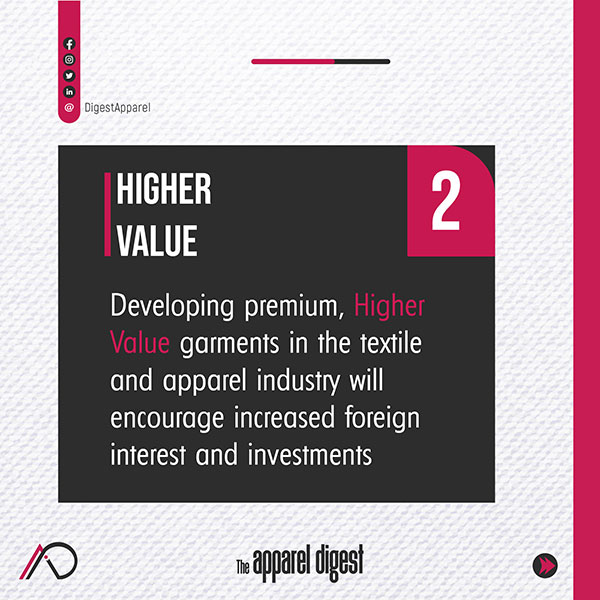
- Higher value-added apparel
- Market diversification beyond EU and US dependency
The current crisis also highlights the growing importance of economic diplomacy.
Bangladesh’s foreign policy, trade policy, and industrial strategy must now work together more closely than ever before. In a fragmented world economy, geopolitical positioning and economic security are becoming deeply interconnected.
Combined Impact Model (Cause → Effect Chain)
Iran War
↓
Oil & Gas Price Surge
↓
Production + Transport Cost ↑
↓
Global Inflation ↑
↓
Apparel Demand ↓
↓
Export Orders ↓
↓
RMG Output & Profit ↓
The Strategic Question Ahead
The biggest concern is not whether the Iran war will increase costs temporarily.
The bigger question is whether Bangladesh’s garment industry is structurally prepared for a future where geopolitical instability becomes the new normal.
Because the world is changing.
From the Red Sea crisis to the Iran conflict, from energy shocks to supply chain fragmentation, the global apparel trade is entering a period of prolonged uncertainty.
For Bangladesh, survival will depend not only on manufacturing capability, but also on adaptability, resilience, and strategic transformation.
The sewing machines inside Bangladesh’s garment factories are still running.
But the global system around them is becoming increasingly unstable.