The Apparel Digest Report

On 25 November, the Bangladesh Knitwear Manufacturers and Exporters Association (BKMEA) hosted a dinner in honour of H.E. Sardor Rustambaev, Ambassador of Uzbekistan to Bangladesh, and Mr. Abdulaziz Abduganiev, First Secretary of the Embassy of Uzbekistan. The program was presided over by Mr. Mohammad Hatem, President of BKMEA.
Distinguished guests in attendance included Dr. Md. Habibur Rahman, Deputy Governor of Bangladesh Bank; Mr. Md. Abdur Rahim Khan, Additional Commerce Secretary and Administrator of the Federation of Bangladesh Chambers of Commerce and Industry (FBCCI); and Mr. Taskeen Ahmed, President of the Dhaka Chamber of Commerce & Industry (DCCI).
Prominent BKMEA leaders—Mr. Amal Poddar (Senior Vice President), Mr. Md Shamsuzzaman (Vice President), Mr. Morshed Sarwar Sohel (Vice President–Finance), Mr. Mohammad Rashed (Vice President), along with Directors Mr. Minhazul Hoque, Engr. Imran Kader Turjo, and Mr. Zakaria Habib—also joined the event, together with several leading business figures from other sectors. The programme was coordinated by Mr. Mehdi Mahbub, President of Bangladesh RMG Centre and Honorary Advisor to Uztextileprom (Uzbekistan Textile and Garment Industry).

Speakers highlighted the growing importance of strengthened bilateral collaboration between the industries and business communities of Bangladesh and Uzbekistan. They emphasized that both countries stand to gain significantly from deeper cooperation—particularly in the textile and knitwear garment sectors.
Recent years have shown encouraging progress. In July 2022, Uzbekistan’s Deputy Prime Minister H.E. Jamshid Khodjayev visited Bangladesh and engaged with both public and private stakeholders. In 2023, H.E. Ilkhom Khaydarov, then Chairman of Uztextileprom, organized a delegation of Uzbek enterprises to visit Dhaka, underscoring Uzbekistan’s commitment to fostering closer industry-level cooperation. Uzbek textile and garment companies have consistently highlighted their interest in engaging Bangladeshi experts and skilled operators to improve production quality and enhance management efficiency.
The knitwear sector stands out as a particularly promising area for partnership. Bangladesh enjoys a strong global reputation in knitwear manufacturing, while Uzbekistan offers attractive opportunities through its textile resources, cotton-based raw materials, and advantageous geographic access to CIS and European markets.
Uzbekistan has a well-established textile base and benefits from proximity to key export destinations, often with favorable or duty-free trade arrangements. Complementing this, Bangladesh brings decades of experience in high-volume, high-quality readymade garment (RMG) production, strong design capabilities, and deep global supply-chain connectivity.
A synergy exists in combining Uzbekistan’s raw materials and growing textile capacitywith Bangladesh’s manufacturing expertise, efficiency, and global networks. This collaboration could pave the way for producing competitively priced, high-quality knitwear garments for international markets. Discussions on establishing Joint Venture production facilities in Uzbekistan—leveraging Bangladeshi expertise and branding—have been ongoing, with strong interest from both sides. Access to Uzbek cotton, yarn, and fabrics also holds potential to reduce Bangladesh’s dependence on traditional raw-material sources.
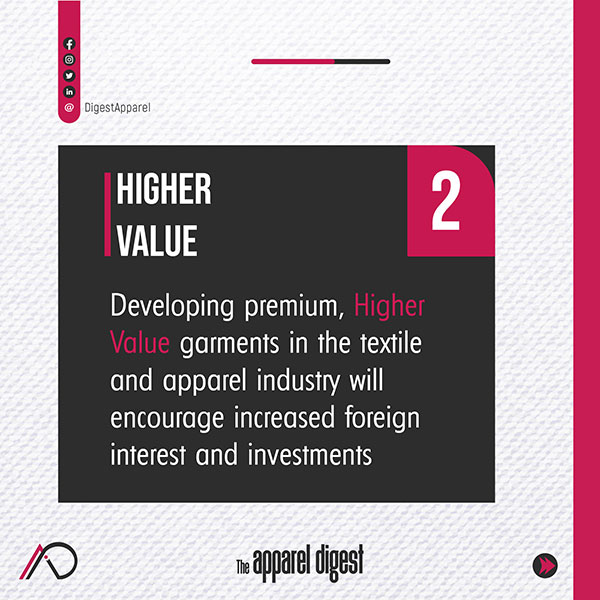
Beyond basic apparel, both countries can explore manufacturing high-value and specialized knitwear products, including MMF-based items, blended fabrics, and brand-focused garment lines—combining Bangladesh’s export experience with Uzbekistan’s resource advantages and favorable geo-political positioning.
The emerging Bangladesh–Uzbekistan partnership in the knitwear garment sector represents a timely and mutually beneficial opportunity. By leveraging their complementary strengths—Uzbekistan’s raw-material and regional advantages, and Bangladesh’s RMG expertise and global market reach—both nations can achieve substantial gains.
With strategic planning, institutional cooperation, targeted investments, and a shared focus on higher-value products, this collaboration has the potential to become a model for regional textile–garment industry integration. If effectively implemented, it could expand knitwear production, diversify export markets, and solidify Bangladesh’s position in global sourcing—while elevating Uzbekistan’s role within international apparel value chains.